
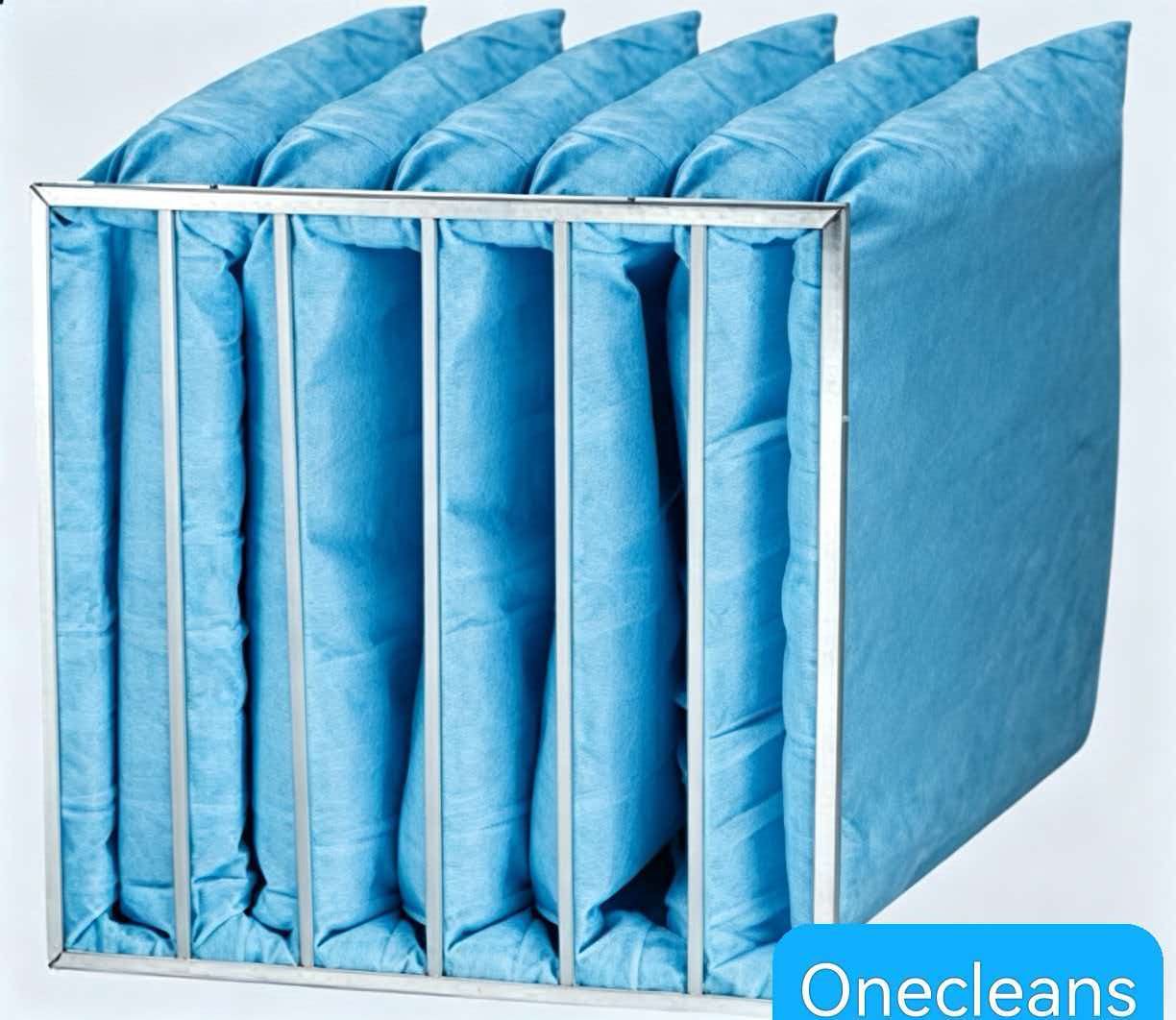
Charged Dust Working Condition: Filter Media & Airflow Design Extend F9 Filter Service Life

Welding workshops and high-temperature production processes continuously generate suspended industrial dust. Affected by high temperature and friction, these process dust particles carry natural electric charges, bringing unique challenges to air filtration systems.
In actual industrial operation, F9 pocket filters often face a common problem: partial filter area clogs rapidly with rising pressure drop, while most of the filter media remains unused. The filter has to be replaced prematurely and cannot reach its designed service cycle.
Many experienced industrial clients have summarized practical optimization experience: selecting qualified F9 filter media alone is not enough. Optimizing upstream airflow distribution is also essential to maximize filter dust holding capacity.
1. Charged Process Dust Accelerates Filter Pressure Drop Growth
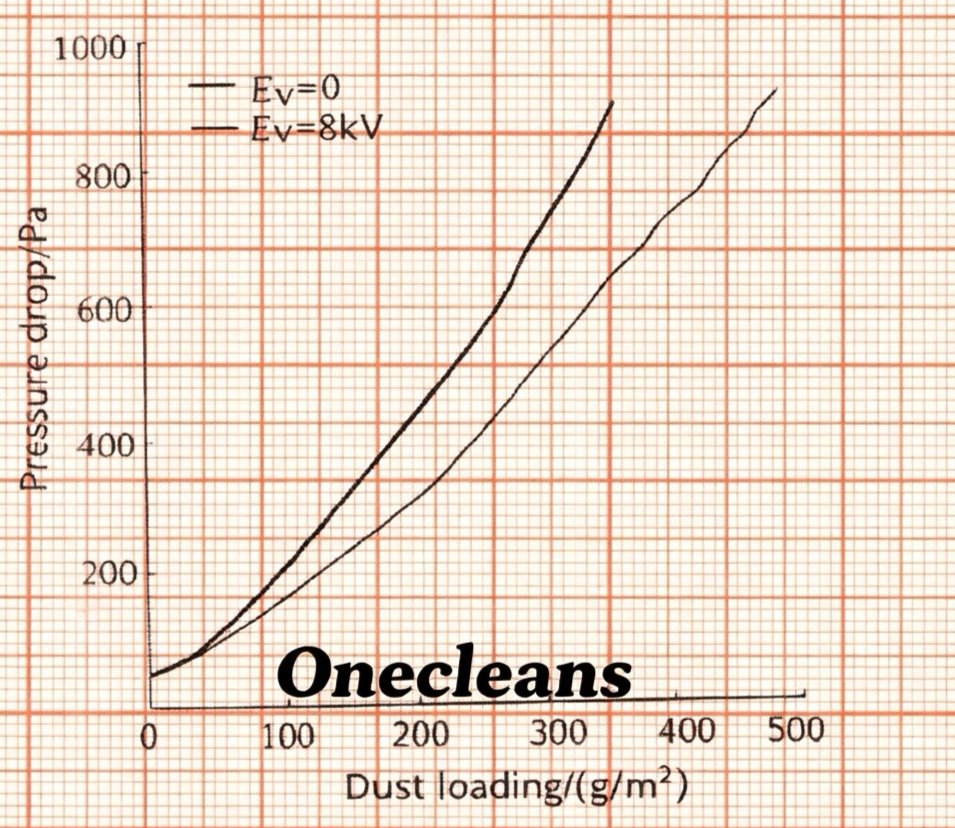
Laboratory dust loading and pressure drop tests simulate real industrial working conditions:
- Ev=0 represents neutral dust without charge;
- Ev=8kV simulates charged dust produced by welding and high-temperature processing.
Test data proves that electrically charged industrial dust causes faster pressure drop increase on filter media, easily leading to early filter blockage.
Our F9 glass fiber pocket filters adopt pure physical mechanical interception technology. With stable structure and high dust holding capacity, they perfectly adapt to high temperature, welding and charged industrial dust environments, serving as reliable industrial ventilation and process exhaust filtration solutions.
2. Uneven Turbulent Airflow Causes Local Filter Overload
High-temperature and welding exhaust airflow is extremely turbulent and unstable without duct optimization. Local high-speed airflow jets directly impact partial filter surfaces.
Charged industrial dust accumulates rapidly on impacted filter areas, resulting in uneven dust deposition. Even high-quality F9 glass fiber filters will experience partial clogging and premature failure due to unreasonable airflow field.
3. Industry Reference Optimization: Upstream Bag House Air Duct Flow Guide Modification
Many industrial clients adopt practical airflow optimization solutions upstream of the filter section.
By enlarging the inlet duct diameter and installing multiple sets of arc-shaped guide vanes inside the bag house and air duct, the system effectively disperses high-speed turbulent airflow, reduces incoming wind speed, and realizes uniform air distribution across the entire filter face.
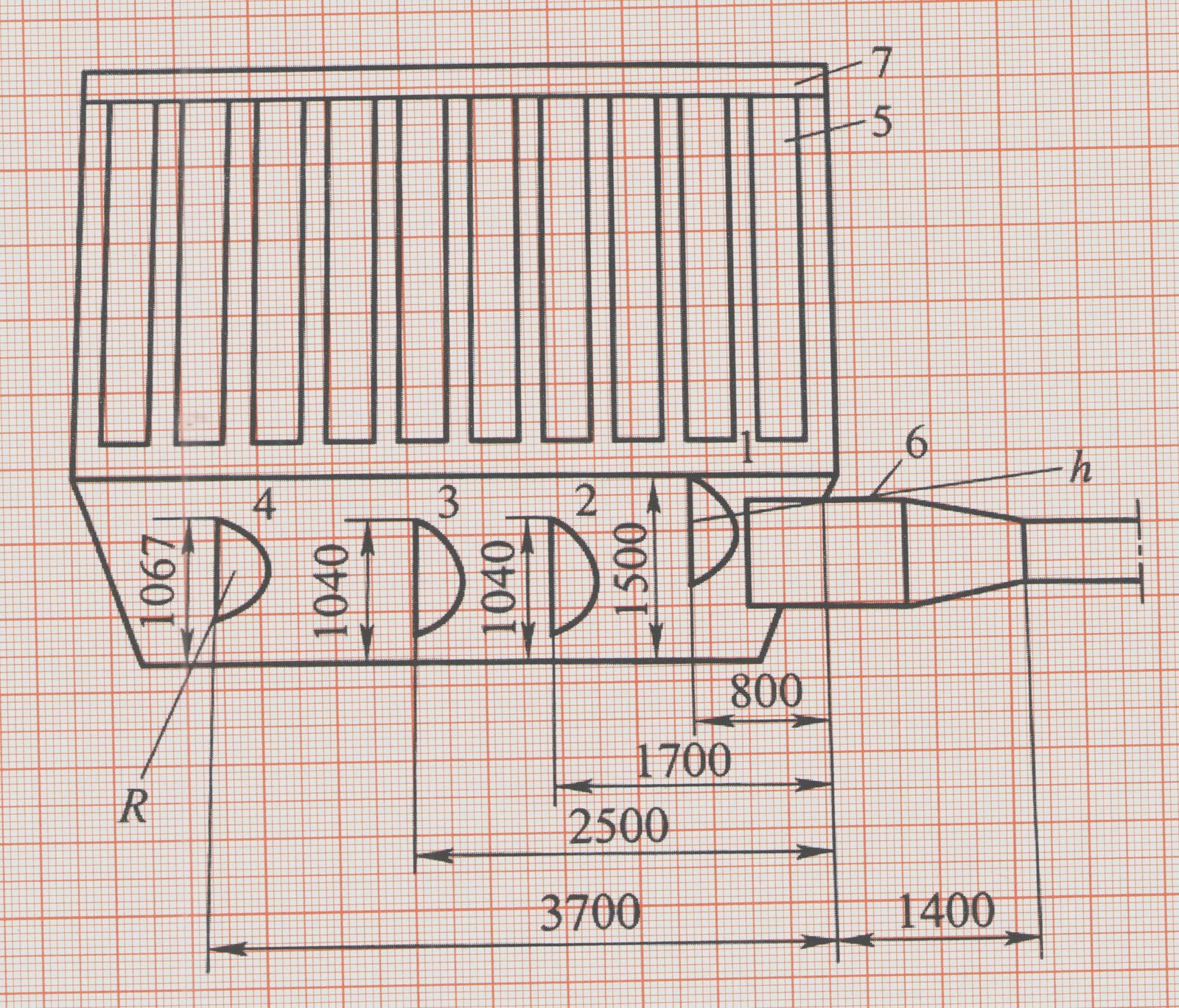
It is worth noting that the airflow guide transformation is an auxiliary industry optimization measure, not a filter upgrade. It will not change the standard filtration efficiency of F9 filters, but can fully average the dust load of each filter pocket, maximize the utilization rate of filter media, and significantly extend the actual service life of on-site F9 filters.
Conclusion
For welding, high-temperature and charged industrial dust working conditions:
Matching high-performance F9 glass fiber pocket filters with reasonable upstream airflow field optimization is the most cost-effective solution.
Proper filter media selection plus uniform airflow distribution effectively avoids partial premature clogging, stabilizes system ventilation efficiency, and reduces enterprise operation and maintenance costs.
If you need stable and durable F9 glass fiber pocket filters for industrial process exhaust and high-temperature ventilation projects, welcome to contact us for detailed product parameters and technical support.